Preventive maintenance is widely considered one of the most effective ways to protect a rental property and maintain its long-term performance. Instead of waiting for maintenance issues to escalate into costly repairs, proactive maintenance focuses on routine upkeep, regular inspections, and timely repairs that keep systems functioning efficiently.
Property owners who rely on reactive fixes often face costly emergency repairs, unexpected disruptions, and higher repair costs. By contrast, a structured approach to preventative maintenance supports consistent rental income, preserves property value, and reduces financial risk.
Coordinating maintenance across vendors, schedules, and tenants requires more than occasional oversight. It involves detailed planning, strong vendor standards, and consistent execution.
Read on to learn how preventative maintenance coordination can strengthen your rental business and protect your investment.
Key Takeaways
- Preventative maintenance reduces costly repairs and supports long-term property value.
- A consistent maintenance schedule minimizes maintenance issues and tenant turnover.
- Vendor coordination improves efficiency, quality, and cost control across multiple properties.
- Proactive upkeep enhances tenant satisfaction and stabilizes rental income.
Why Preventive Maintenance Matters for Rental Property Owners
Preventive maintenance plays a direct role in protecting both the physical condition and financial performance of a rental property. Without it, minor issues can quickly escalate into major repairs that disrupt tenants and increase expenses.
Key Benefits of Preventive Maintenance
- Helps avoid costly emergency repairs and unexpected breakdowns
- Preserves property value by preventing deferred maintenance
- Reduces maintenance issues and long-term property damage
- Supports tenant retention, lease renewals, and tenant satisfaction
- Minimizes vacancy and turnover costs
Regular maintenance is essential for maintaining property condition. This directly impacts property value, as maintaining property condition is important for preserving home value and long-term asset performance. A well-maintained property is more attractive to tenants and better positioned to compete in the Pittsburgh rental market.
Maintenance also affects tenant behavior. When residents experience fewer issues and receive timely repairs, they are more likely to consider renewing their lease agreement. This connection is widely recognized, as maintenance quality is a key factor in tenant retention.
Building an Effective Maintenance Plan and Schedule
A structured maintenance plan ensures that all maintenance activities are handled consistently and efficiently. Without a clear plan, routine upkeep can be overlooked, leading to higher repair costs over time.
Core Elements of a Strong Maintenance Plan
- A defined maintenance schedule for routine maintenance
- Routine inspections and regular inspections to catch early issues
- Seasonal maintenance tailored to Pittsburgh weather conditions
- Clear documentation of maintenance tasks and timelines
Seasonal maintenance is especially important in colder climates. Preparing systems in advance is critical, as winterizing rental properties helps prevent damage to plumbing and heating systems during freezing temperatures.
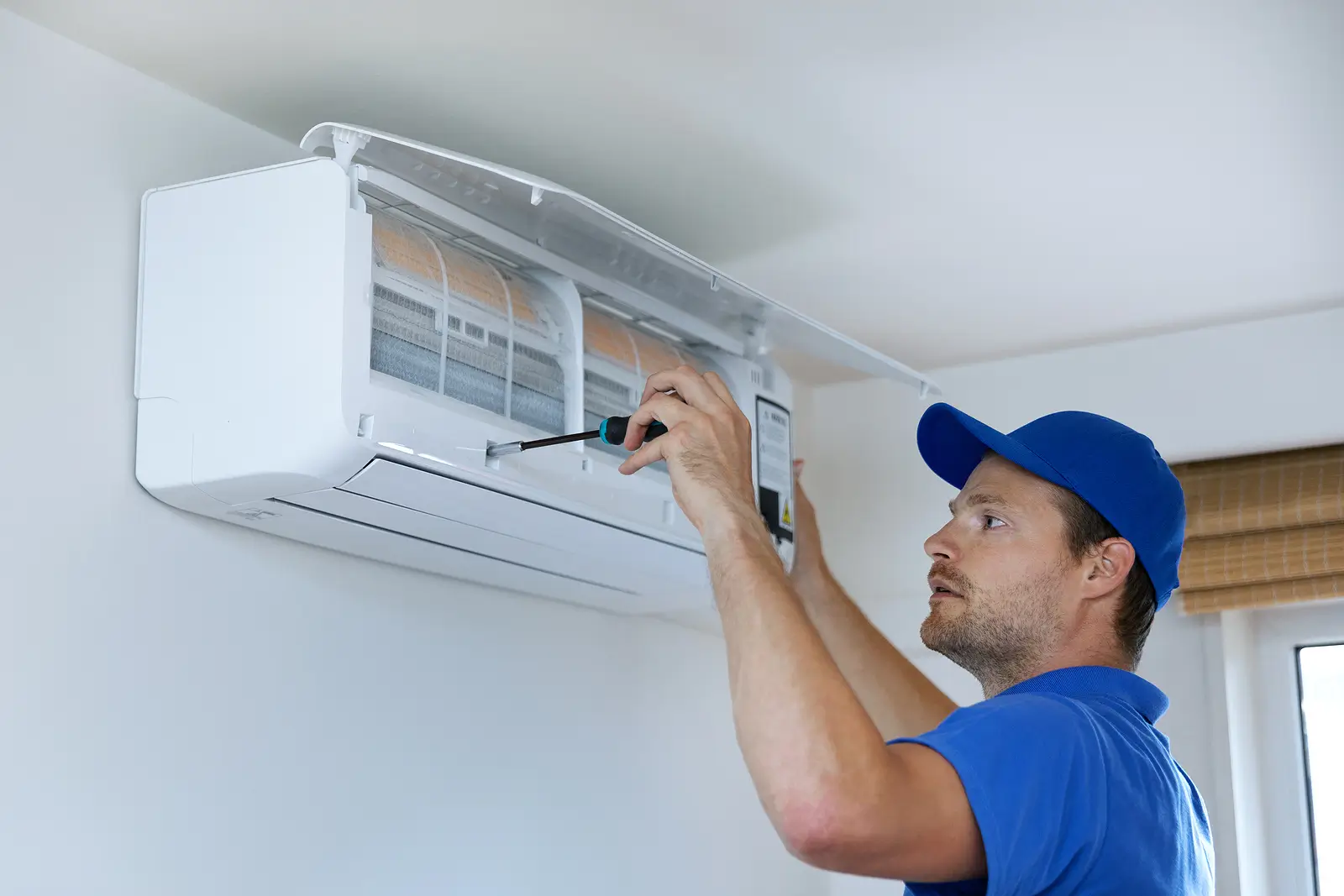
Common maintenance tasks include HVAC servicing, gutter cleaning, pest control, and system checks. These routine repairs and maintenance activities help reduce the likelihood of costly repairs while improving overall property upkeep.
Key Preventive Maintenance Areas to Prioritize
Interior Systems and Safety
Interior systems directly impact tenant safety and comfort, making them a top priority in any preventative maintenance strategy.
Focus areas include:
- HVAC servicing and maintaining heating systems for efficiency
- Monitoring electrical systems to prevent hazards
- Testing smoke detectors and carbon monoxide detectors regularly
- Inspect plumbing to prevent leaks, mold growth, and water damage
Routine checks of safety devices are especially important for compliance. Ensuring smoke and carbon monoxide detectors are properly installed and maintained helps protect tenants and reduce liability.
Exterior and Structural Maintenance
Exterior maintenance protects the property's structure while preserving its visual appeal.
Key exterior maintenance practices:
- Gutter cleaning and drainage management
- Pest control to prevent structural deterioration
- Roof inspections and preventative repairs
- Maintaining curb appeal to attract prospective tenants
Consistent routine upkeep on exterior elements helps prevent long-term property damage and reduces the need for major repairs.
Vendor Coordination and Maintenance Management
Managing maintenance across multiple properties requires coordination, consistency, and accountability. Property managers play a key role in overseeing vendors and ensuring maintenance practices meet established standards.
What Effective Maintenance Management Includes
- Coordinating vendors for routine and emergency repairs
- Establishing vendor standards for quality and reliability
- Ensuring timely repairs to reduce repair costs
- Maintaining detailed records of maintenance activities
Understanding the difference between routine repairs and urgent issues is also essential. Property owners can review our helpful guide on urgent vs routine repairs.
Strong maintenance management ensures that all work is completed efficiently while maintaining cost control and service quality.
Leveraging Technology for Smarter Maintenance Coordination
Technology plays a major role in modern property management by improving efficiency and communication.
Benefits of Property Management Software
- Track maintenance requests and repair requests in real time
- Manage tenant repair requests more efficiently
- Improve tenant communication and response times
- Use data to optimize maintenance management decisions
Property management software also helps property managers track maintenance requests across multiple properties, ensuring no request is missed. This leads to faster response times, fewer tenant complaints, and better overall performance.
Cost Control Strategies and Long-Term Savings
Controlling maintenance costs is essential for protecting rental income and ensuring long-term profitability.
Cost Control Strategies
- Budget for both routine maintenance and unexpected repairs.
- Use preventative maintenance strategies to avoid costly repairs.
- Balance routine repairs with long-term capital planning.
- Monitor expenses to reduce turnover costs and tenant turnover.
Preventative maintenance reduces the likelihood of costly emergency repairs and helps property owners maintain consistent cash flow.
Working with professionals can also improve financial oversight. Services such as financial reporting support enable property owners to track expenses and maintain control over repair costs.
By reducing disruptions and maintaining property condition, proactive maintenance helps protect rental income and minimize vacancy periods.
Enhancing Tenant Experience through Proactive Maintenance
A well-maintained rental property contributes directly to tenant satisfaction and long-term retention.
How Maintenance Impacts Tenants
- Faster response to maintenance requests and repair requests
- Fewer maintenance issues and disruptions
- Clear tenant communication and expectations
- Improved tenant relationships and trust
Setting clear tenant responsibilities in the lease agreement also helps reduce confusion and unnecessary tenant repair requests. When expectations are clearly defined, tenants are more likely to participate in basic upkeep and report issues early.
Consistent maintenance practices help create satisfied tenants, encourage lease renewals, and reduce tenant turnover. This results in a more stable pool of quality tenants and a stronger rental business overall.
Compliance, Safety, and Local Regulations
Staying compliant with local laws and local housing codes is a critical part of rental property maintenance. Failure to meet these standards can result in fines, legal risks, and safety concerns.
Key Compliance Considerations
- Maintain smoke detectors and carbon monoxide detectors
- Follow local housing codes for inspections and repairs
- Ensure tenant safety through regular inspections
- Address maintenance issues promptly to avoid liability
Routine upkeep and proactive maintenance reduce risk while ensuring that properties remain safe and compliant. This protects both tenants and property owners from avoidable complications.
FAQs
1. What is included in a preventative maintenance plan for a rental property?
It typically includes routine inspections, HVAC servicing, pest control, and scheduled maintenance tasks that prevent major repairs. A structured maintenance plan ensures all systems are regularly checked and maintained.
2. How often should rental property inspections be conducted?
Routine inspections are usually performed quarterly or biannually, depending on the property type. Regular inspections help identify maintenance issues early and reduce repair costs.
3. Can preventative maintenance really reduce tenant turnover?
Yes, proactive maintenance improves tenant satisfaction by minimizing disruptions and addressing issues quickly. This encourages lease renewals and reduces vacancy and turnover costs.
4. Should I hire a property management company for maintenance coordination?
Working with professionals ensures efficient maintenance management, vendor coordination, and cost control. Services like property maintenance solutions can streamline operations and improve overall property performance.
From Maintenance to Long-Term Asset Performance
Protecting a rental property requires more than reacting to problems. It requires a system built on proactive maintenance, consistent oversight, and strategic coordination.
When preventative maintenance is prioritized, property owners benefit from fewer costly repairs, stronger tenant relationships, and more predictable financial performance. These advantages compound over time, leading to improved property value and a more resilient investment.
DeSantis Property Management delivers this level of coordination through structured maintenance management, trusted vendor networks, and a focus on long-term results. Our approach helps ensure every property remains well-maintained while reducing risk and controlling costs.
If you're looking to improve your property upkeep and build a more stable rental business, partnering with our experienced team can make all the difference. Contact us today for a free consultation!